
The allure of risk and reward
The psychology behind casino gaming habits often revolves around the enticing nature of risk and reward, and many players seek out opportunities like a $10 neosurf deposit casino to enhance their experience. Players are drawn to the potential for a substantial payout, which can create an exhilarating rush. This thrill is not just limited to high-stakes games; even low-stakes players experience a sense of excitement. The unpredictable outcomes stimulate the brain’s reward pathways, releasing dopamine, a neurotransmitter associated with pleasure. This biochemical reaction reinforces the behavior, making players more likely to return for the chance to replicate the experience.
Moreover, the design of casino environments capitalizes on this psychological aspect. Bright lights, sounds of chimes signaling wins, and the engaging ambiance create an atmosphere that promotes continued play. These sensory elements can lead to a state of flow, where players become so engrossed that they lose track of time and money spent. This immersive experience can blur the lines between entertainment and compulsion, further exacerbating gaming habits.
Understanding the allure of risk and reward can help players recognize their motivations. Whether it’s the potential for financial gain, social interaction, or simply the thrill of the game, acknowledging why they are drawn to casinos can empower individuals to make more informed decisions. By fostering a mindful approach to gaming, players can enjoy the excitement without succumbing to the traps set by their own psychology.
The role of social interaction
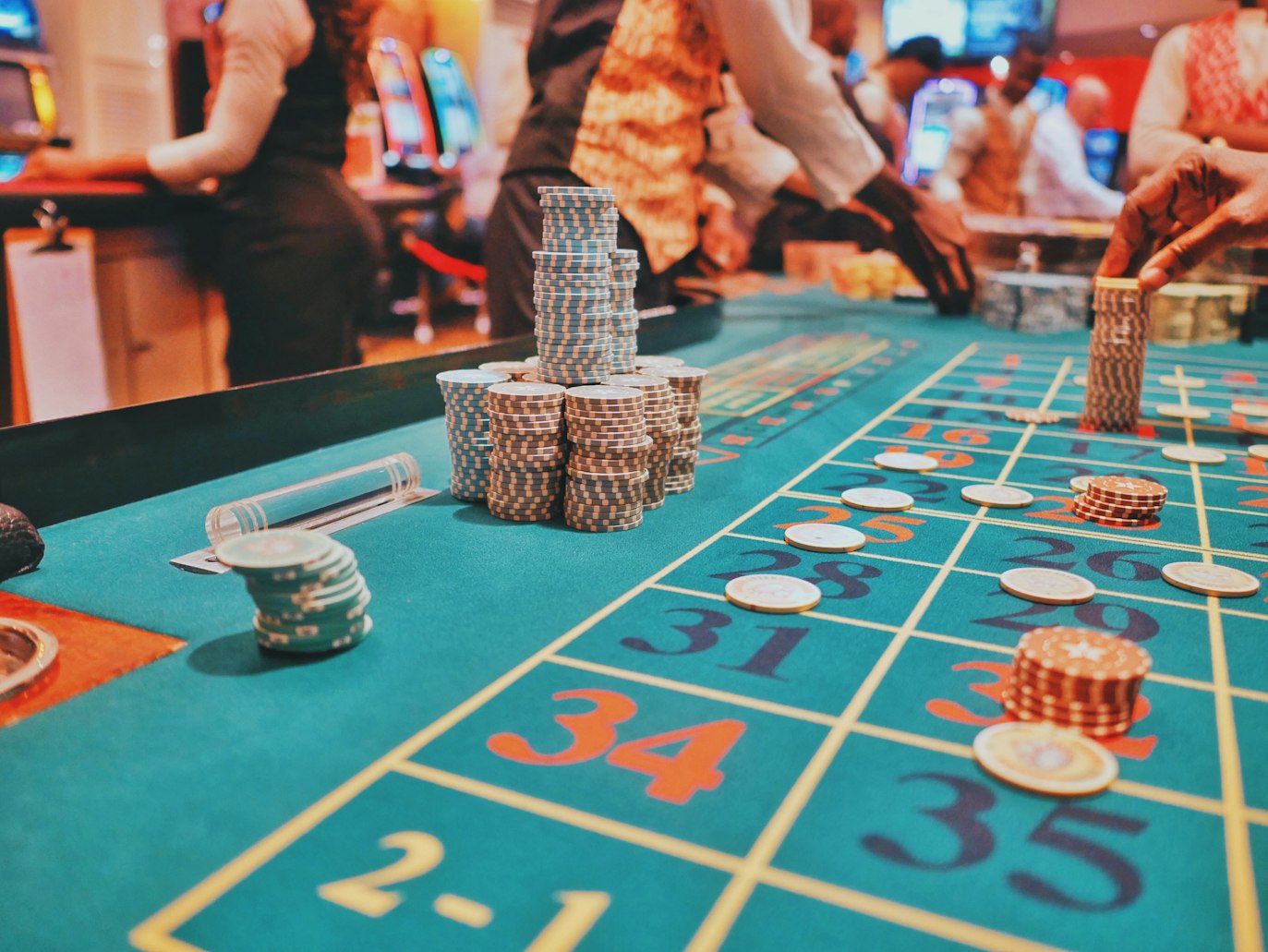
Social interaction plays a crucial role in the psychology of casino gaming habits. Many individuals view casinos as social venues rather than just places to gamble. The shared experience of playing games, cheering for wins, and celebrating victories creates a sense of camaraderie among players. This social dynamic can enhance the enjoyment of gaming, making it a popular pastime for groups and families alike. As a result, the bonds formed during these interactions can reinforce the desire to return to the casino.
Furthermore, the presence of others can affect a player’s decision-making process. In social settings, individuals may engage in riskier behaviors due to peer influence, feeling emboldened by the energy of those around them. This collective behavior can lead to extended gaming sessions, driven by the social atmosphere rather than individual intent. Recognizing the impact of social interaction on gaming habits can help players strike a balance between enjoying the company of others and maintaining control over their spending and time.
Additionally, social media has transformed the way players interact with each other regarding gaming experiences. Online forums and social platforms allow enthusiasts to share their experiences, strategies, and outcomes. This community-driven approach adds another layer of social interaction, fostering a sense of belonging and shared passion for gaming. However, it can also lead to comparison and competition, which may amplify the psychological drivers behind gambling behaviors. Understanding this interplay can aid individuals in navigating their motivations and ensuring a healthier relationship with gaming.
The impact of cognitive biases
Cognitive biases significantly influence casino gaming habits, often leading players to make irrational decisions. One common bias is the illusion of control, where players believe they can influence the outcome of games of chance, such as slots or roulette. This misconception can lead to an overestimation of skill and a willingness to place larger bets, as players feel more confident in their chances. By recognizing this bias, individuals can develop a more realistic perspective on their gaming choices and outcomes.
Another prevalent cognitive bias is the availability heuristic, where players focus on memorable experiences, such as recent wins, rather than considering the overall statistical likelihood of outcomes. This selective memory can create an illusion of a “hot streak,” prompting individuals to chase losses or continue playing based on false expectations. Acknowledging these biases can be crucial for players seeking to maintain control over their gaming habits, reminding them to assess situations with a more critical and analytical mindset.
Awareness of cognitive biases can also enhance responsible gaming practices. By understanding how these psychological factors can lead to poor decision-making, players can better manage their gaming behavior. Establishing personal limits, taking regular breaks, and educating oneself about the odds associated with various games can promote a healthier approach to gambling. Ultimately, recognizing and addressing cognitive biases can empower individuals to engage in gaming activities more thoughtfully and responsibly.
The psychological consequences of excessive gaming
Excessive gaming can lead to a range of psychological consequences that impact both mental health and personal relationships. Players may experience increased stress, anxiety, or depression as a result of significant financial losses or the pressure to recoup losses. These emotions can drive individuals to continue gambling in a detrimental cycle, where the desire to escape reality and find solace in gaming becomes a harmful coping mechanism. Understanding these psychological traps is vital for those who find themselves in a gaming spiral.

Moreover, excessive gaming can lead to social isolation, as individuals prioritize their gaming habits over personal connections. Family and friends may feel neglected or concerned about the player’s well-being, leading to strained relationships. This isolation can further exacerbate feelings of guilt and shame, compounding the psychological toll of gambling. Recognizing these potential consequences can help individuals assess their gaming habits and seek support when necessary, fostering a healthier balance between gaming and social engagement.
The importance of mental health resources also cannot be overlooked in discussions of gaming behavior. Many casinos and gaming establishments offer support services for players seeking help with problem gambling. These resources provide valuable tools for individuals to understand their habits, develop coping strategies, and work towards healthier relationships with gaming. By encouraging open conversations about mental health and gambling, society can help mitigate the psychological risks associated with excessive gaming.
Empowering responsible gaming through awareness
Creating awareness around responsible gaming is essential for fostering healthier relationships with gambling. Educational initiatives can provide players with essential information about the odds of different games, the potential for addiction, and strategies for maintaining control. By informing players about the psychological aspects of gaming, they can make more conscious choices and recognize when their habits may be veering into problematic territory. This proactive approach can prevent many individuals from falling into the traps of compulsive gaming.
Additionally, casinos and online gaming platforms are increasingly implementing responsible gaming measures, such as self-exclusion programs and limits on betting amounts. These initiatives empower players by providing them with tools to manage their gaming activities. Encouraging players to set limits and take breaks not only supports the well-being of individuals but also enhances the overall gaming experience by promoting a balanced approach to entertainment. Such measures can significantly reduce the risks associated with habits that lead to gambling addiction.
Ultimately, the goal of promoting responsible gaming is to ensure that players can enjoy the excitement of casino gaming without falling prey to harmful habits. By encouraging awareness, personal responsibility, and the use of available resources, players can engage in gaming as a form of entertainment rather than a source of stress. This empowerment fosters a healthier gaming environment for all involved, reducing the risks associated with gambling and enhancing the overall experience.